Real over theoretical
Techniques proven under scenario stress, not classroom abstractions. If it does not hold up on the street, it does not make the curriculum.
About ATCG
Advanced Tactical Communication Group exists to give officers the communication skills that actually hold up under pressure, and the discipline to back them when they do not.
Our mission
ATCG delivers operational de-escalation through tactical communication, command presence, verbal control, officer positioning, and coordinated movement. The goal is simple: resolve encounters with words wherever possible, and respond with disciplined, articulable action when words run out.
Every technique we teach is proven under scenario stress and tied back to clear, articulable documentation. We do not trade in theory. If it does not work on the street, it does not make the curriculum.
Control the encounter. Own the outcome.
What we stand for
Techniques proven under scenario stress, not classroom abstractions. If it does not hold up on the street, it does not make the curriculum.
Verbal control is the primary tool. When it fails, a disciplined tactical response is ready, never one or the other.
Resolving encounters professionally protects officers and the community at the same time. They are not competing goals.
Every technique ties back to clear, articulable documentation.
The instructor
Founder & Lead Instructor
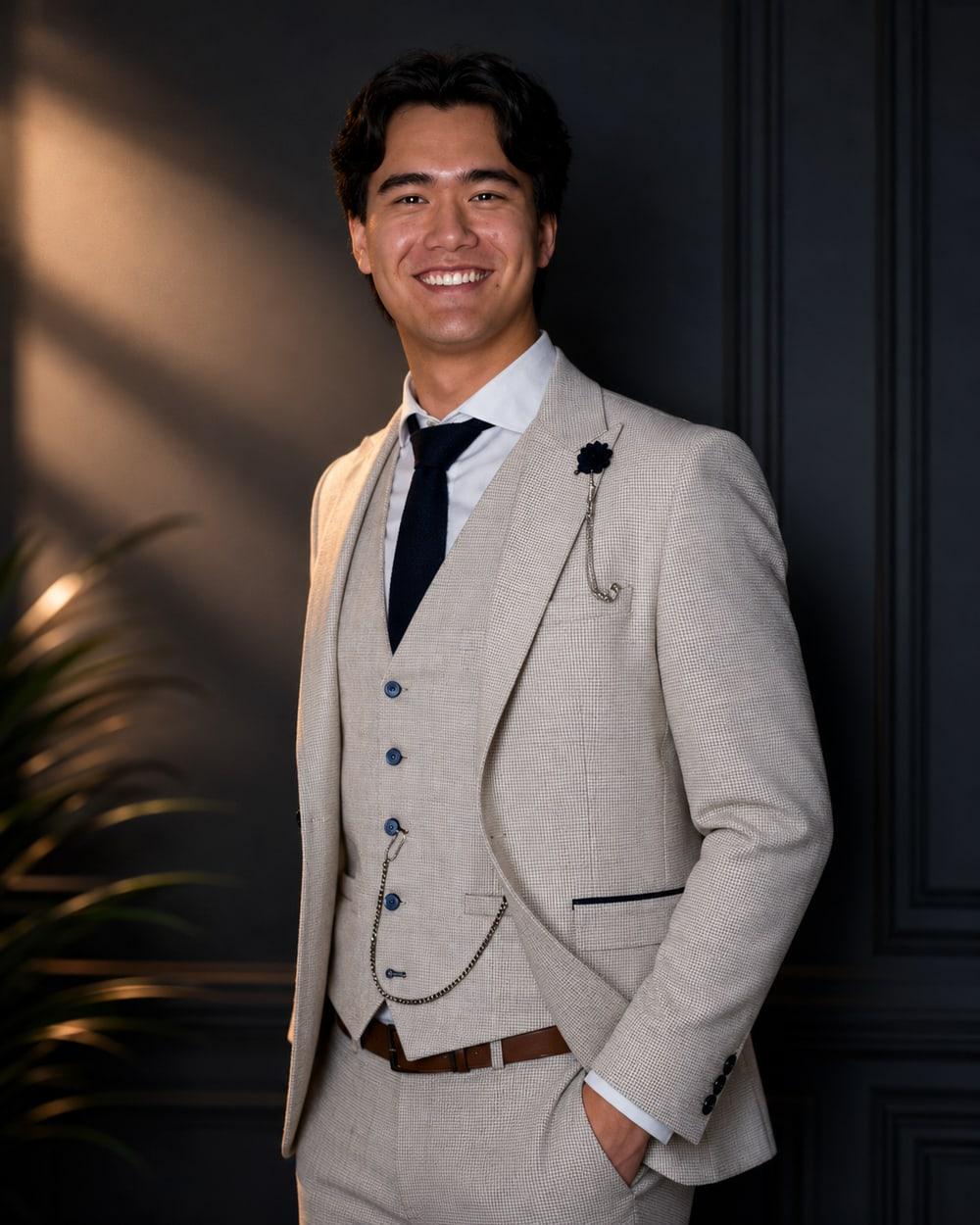
ATCG is led and instructed by Nathan Markies, a behavior and communication specialist with extensive operational experience, including work with vulnerable and high-needs populations. The skill set spans de-escalation and tactical communication, firearms instruction, less-lethal tactics (OC and CEW), defensive and movement tactics, and hands-on arrest and control. The curriculum reflects what works in real encounters: presence, control, positioning, and the judgment to know when to talk and when to act.